Inspections That Find Hidden Mold Sources
Mold Testing & Inspection in Ramona for visible and hidden mold concerns before conditions worsen
Musty odors, discoloration on walls or ceilings, or known water damage often prompt homeowners to investigate whether mold has developed in visible or concealed locations. Ramona Handyman inspects homes to identify mold growth and locate moisture sources that create conditions supporting ongoing colonization. Experience investigating water intrusion and building conditions means inspections focus on finding both the mold itself and the underlying moisture problem that must be resolved for remediation to succeed long-term.
Mold grows where moisture persists, whether from leaks, condensation, or high humidity that keeps building materials damp. Inspections involve examining visible surfaces, checking concealed cavities where water damage has occurred, and using moisture meters to identify areas with elevated readings that support mold growth. Early detection matters because small colonies confined to limited areas require less extensive remediation than widespread growth that has infiltrated insulation, framing, and multiple building cavities.
Schedule a professional inspection to evaluate visible concerns and check for hidden mold before problems expand.
What Mold Inspections Actually Accomplish
You examine areas where mold typically develops first—around windows, under sinks, in attic spaces with roof leaks, and behind walls where plumbing has failed. Moisture meters detect elevated readings in materials that appear dry on the surface but retain dampness within, indicating conditions where mold likely grows even if not yet visible. Identifying moisture sources matters as much as finding mold itself, because remediation fails if the water problem continues after cleanup.
Inspection findings document where mold exists, what materials are affected, and what moisture sources contribute to growth. You receive clear information about the extent of the problem based on what is visible and measurable during the inspection. This documentation guides remediation planning and helps you understand whether the situation requires professional cleanup or whether you can address limited growth yourself after correcting the moisture source.
Inspections identify conditions present at the time of the visit but cannot predict where mold might develop in the future or detect every hidden colony without invasive investigation. Testing provides additional data when inspection findings alone do not fully answer questions about growth extent or species identification. Professional recommendations focus on addressing identified problems based on actual observed conditions.
Questions Before Starting Your Project
Homeowners in Ramona preparing for mold inspections often ask what the process involves and what findings will reveal about their homes.
What causes mold to grow inside homes?
Mold requires moisture, organic material to feed on, and moderate temperatures. Growth develops after water damage from leaks, when humidity remains high for extended periods, or where condensation forms on cold surfaces. In Ramona's climate, winter rain events that cause roof or plumbing leaks create the moisture conditions mold needs.
How do inspectors find hidden mold behind walls or ceilings?
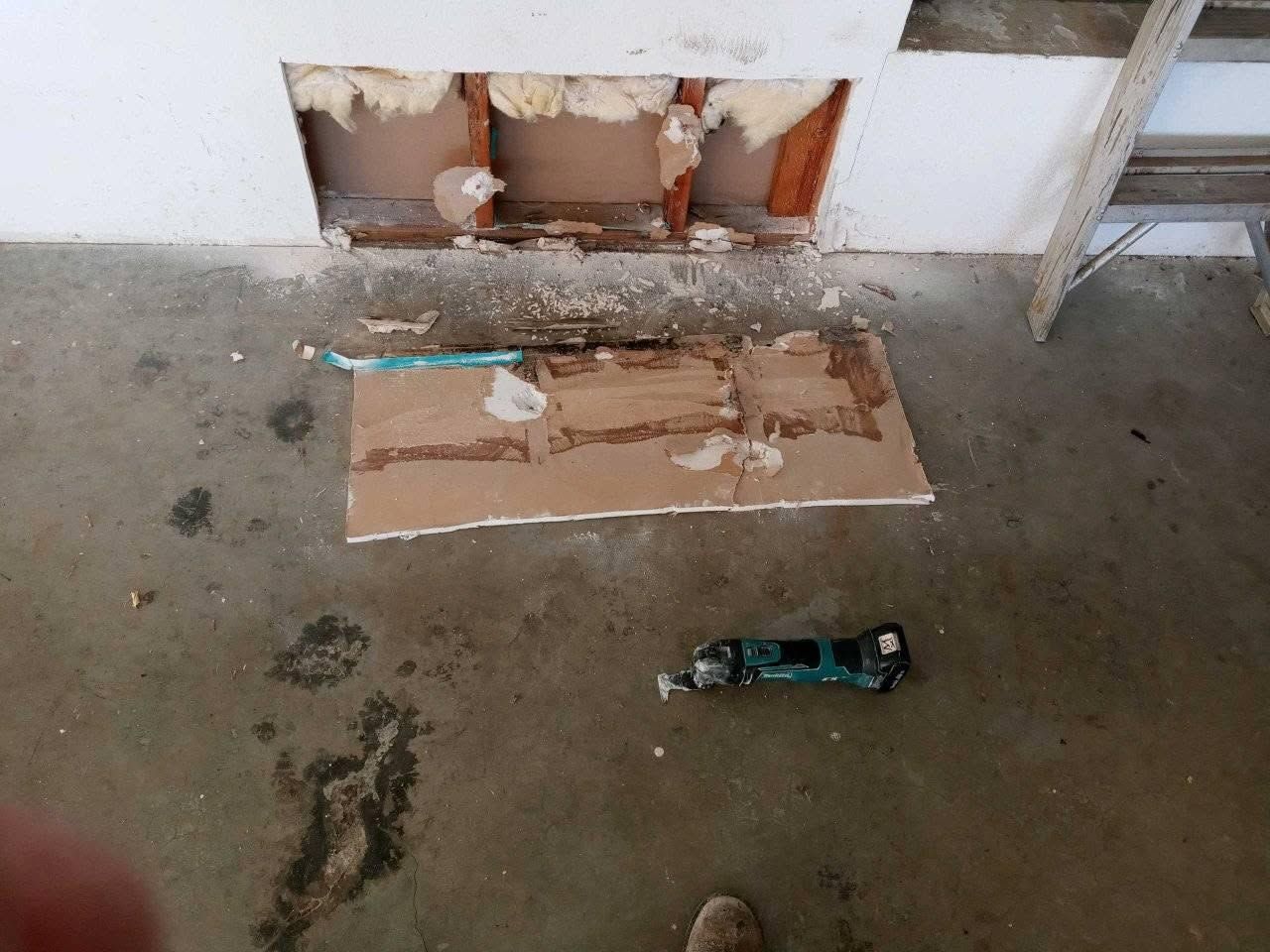
Moisture meters detect elevated readings in materials that suggest water intrusion, and visual inspection identifies staining or damage patterns consistent with hidden moisture. When evidence points to concealed growth, small exploratory openings confirm whether mold exists before planning extensive remediation.
When should mold testing be performed in addition to visual inspection?
Testing helps when odors suggest mold but growth is not visible, when determining whether airborne spore levels are elevated, or when species identification guides remediation planning. Not all situations require testing—visible growth and known moisture sources often provide sufficient information.
What information does a mold inspection provide?
You receive documentation of where mold is found, what materials are affected, moisture readings showing current conditions, and identification of water sources contributing to growth. Recommendations explain what remediation involves and what moisture control measures prevent recurrence.
How quickly should mold problems be addressed after inspection?
Address moisture sources immediately to stop further growth, then plan remediation based on the extent of contamination. Small areas confined to non-porous surfaces can often be cleaned quickly, while extensive growth in porous materials like insulation or drywall requires removal and replacement.
Ramona Handyman delivers thorough mold inspections with honest findings about what exists and what your home requires. Call (760) 801-7774 to arrange an inspection and receive clear recommendations based on actual conditions.